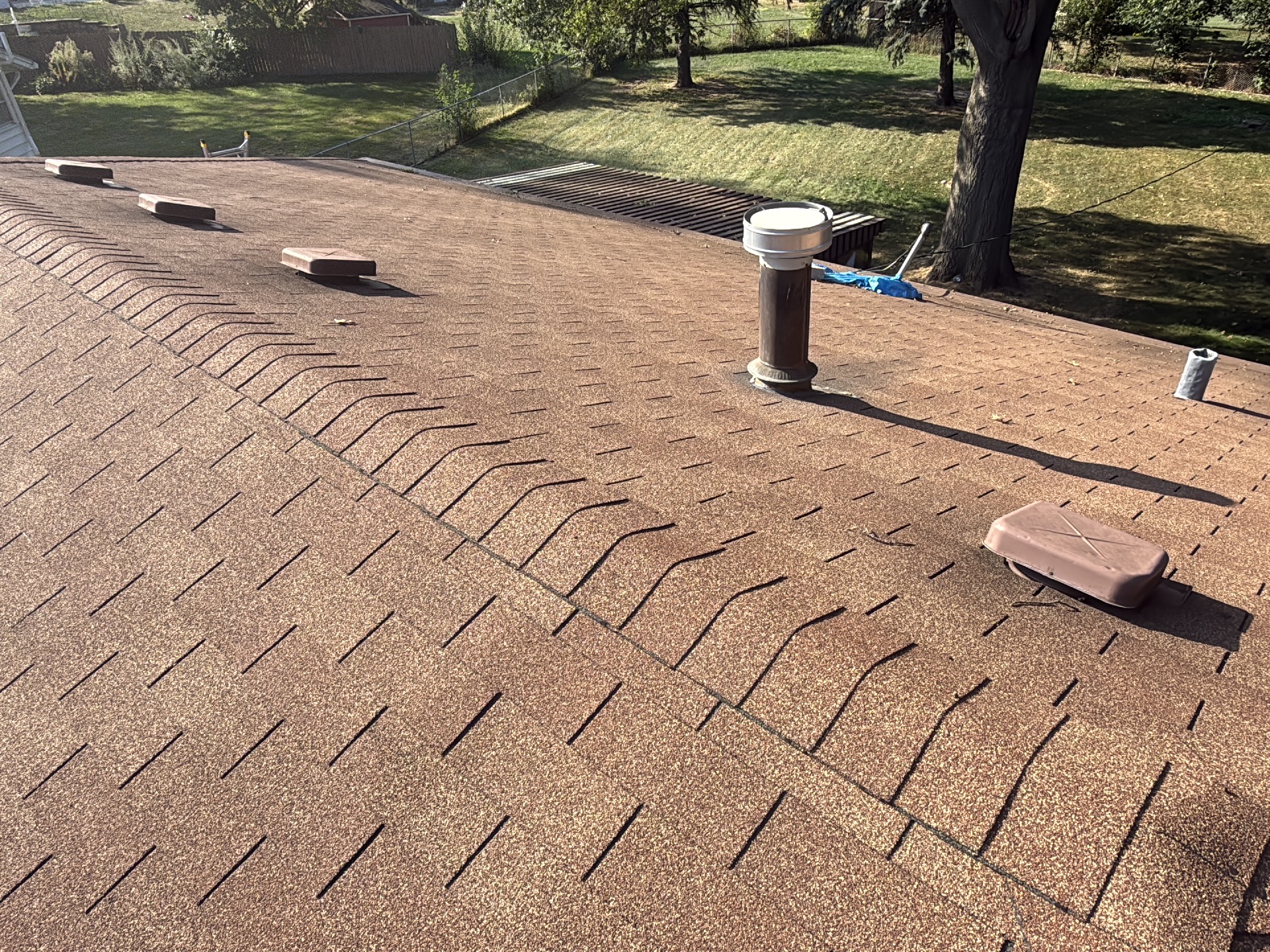
Hard water in Northern Illinois is common due to naturally occurring minerals such as calcium and magnesium found in local groundwater supplies. While hard water is generally safe to drink, it can affect plumbing systems, water heaters, appliances, and household fixtures over time. During a home inspection, signs of hard water may be observed through mineral buildup, reduced fixture performance, or evidence of wear on plumbing components. Understanding how hard water affects a home can help buyers plan for maintenance and make more informed decisions before purchasing a property.
What Is Hard Water?
Hard water contains elevated levels of naturally occurring minerals, primarily calcium and magnesium. As groundwater moves through soil and rock, it dissolves these minerals and carries them into residential water supplies. Hard water in Northern Illinois is common due to local geological conditions and is frequently encountered during home inspections. While hard water is not typically considered a health concern, it can contribute to mineral buildup, reduced appliance efficiency, and increased maintenance requirements over time.
Signs of Hard Water During a Home Inspection
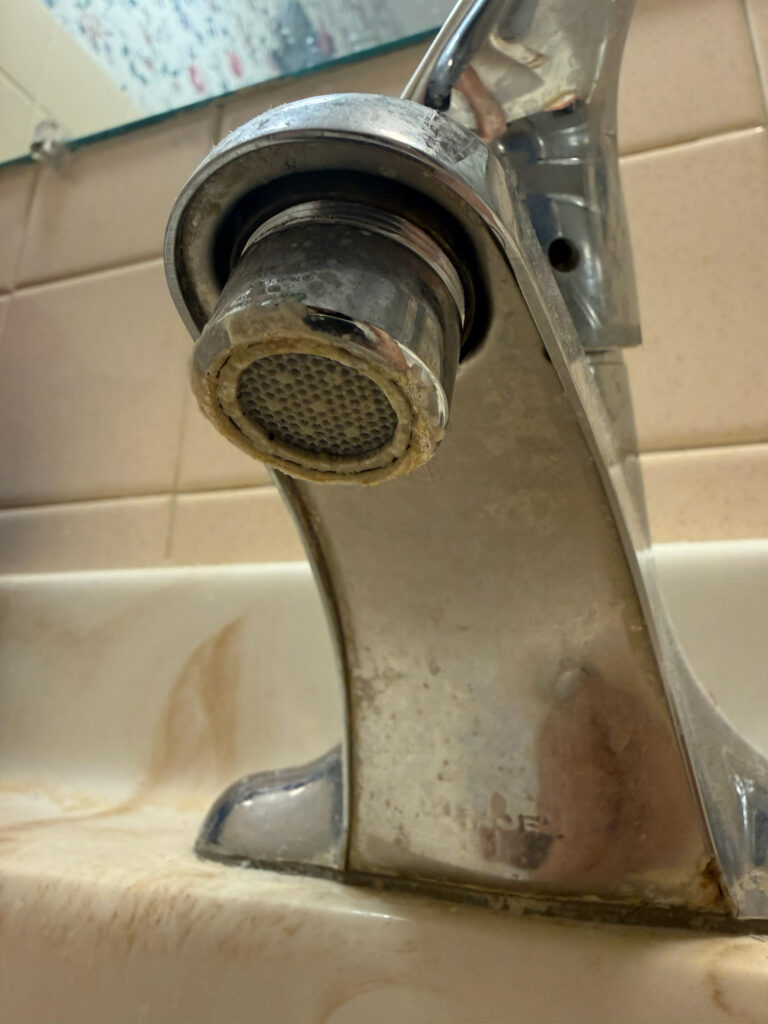
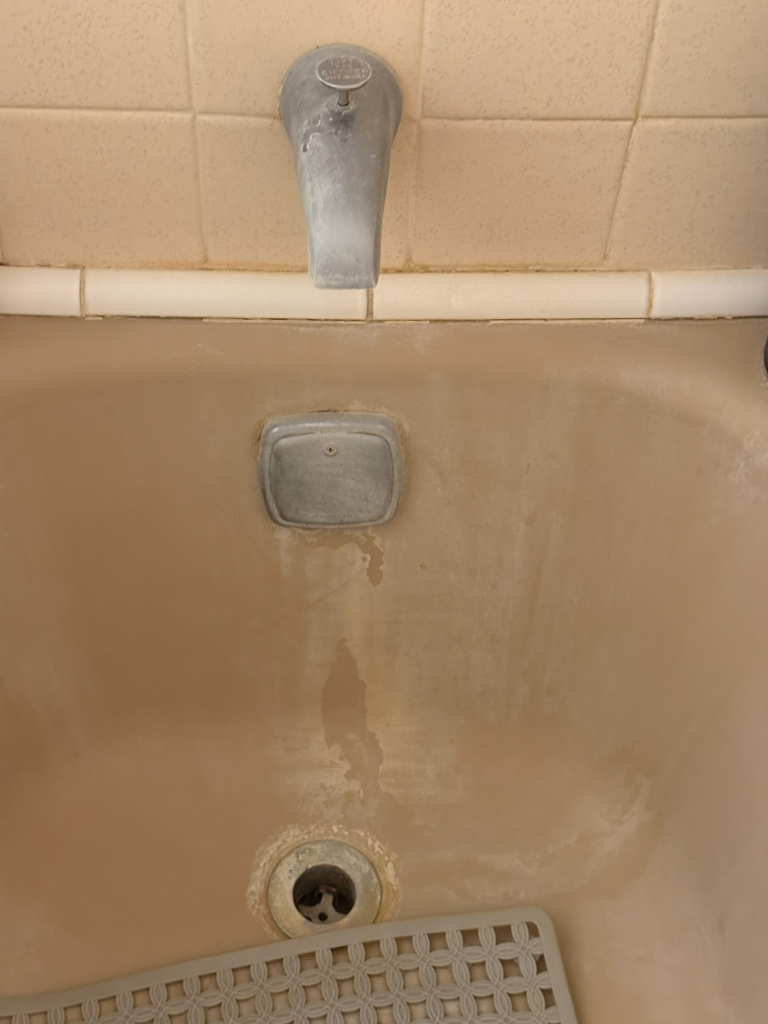
Visible signs of hard water in Northern Illinois homes can often be identified during a home inspection. Common indicators include white or chalky mineral deposits on faucets and showerheads, staining around sinks and tubs, reduced water flow at fixtures, and evidence of scale buildup on plumbing components. While inspectors do not perform water quality testing, these visible conditions can provide clues that hard water may be affecting the home’s plumbing system.
How Hard Water Affects Plumbing and Fixtures
Over time, hard water in Northern Illinois homes can affect plumbing systems, fixtures, and household appliances. Mineral deposits may accumulate inside pipes, faucets, showerheads, and water heaters, reducing efficiency and increasing maintenance needs. Water heaters may work harder as sediment builds up within the tank, while faucets and fixtures can experience reduced flow due to scale accumulation. Although these conditions often develop gradually, they can contribute to increased wear and shortened service life of plumbing components.
What Buyers Can Do About Hard Water
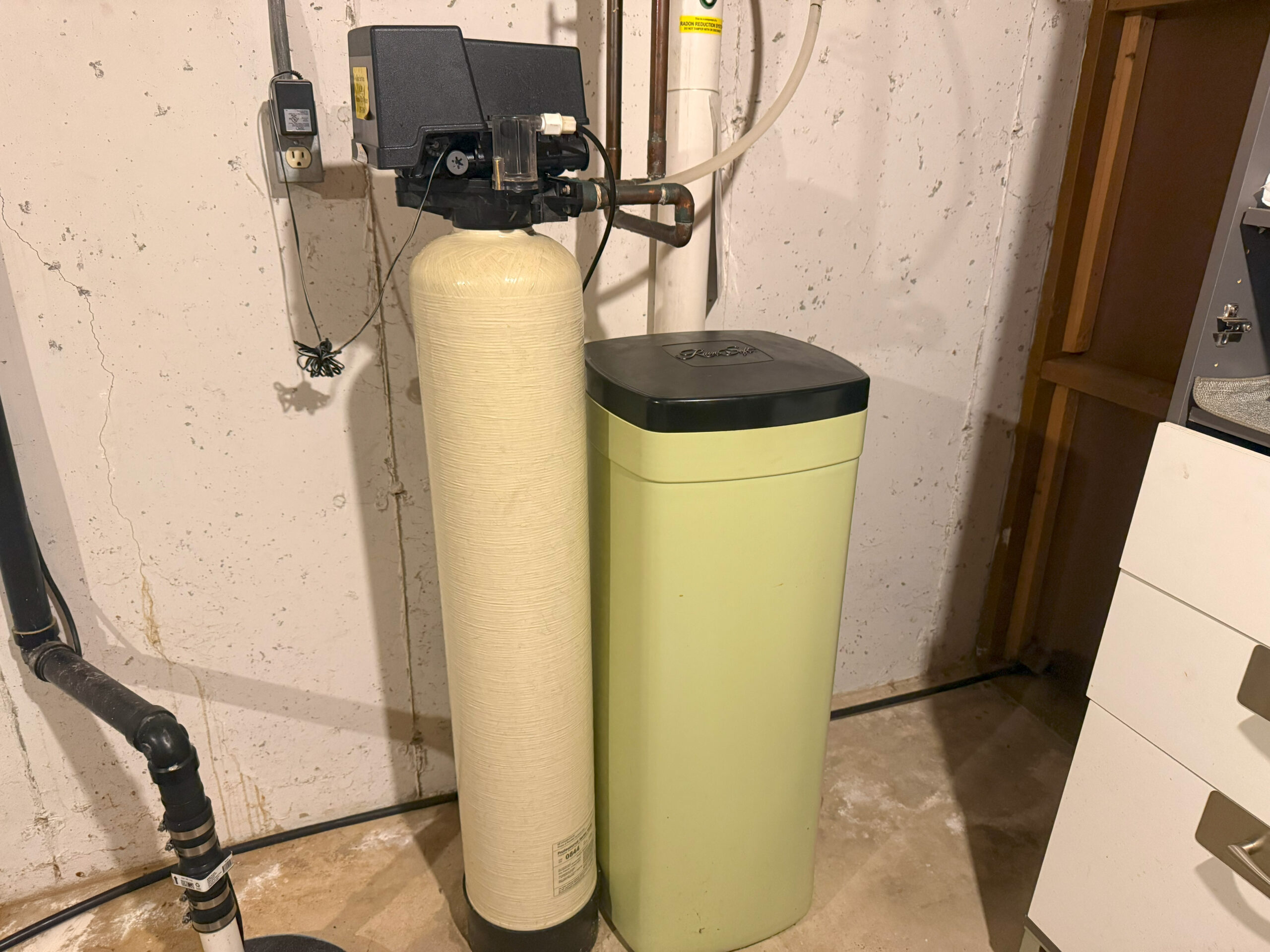
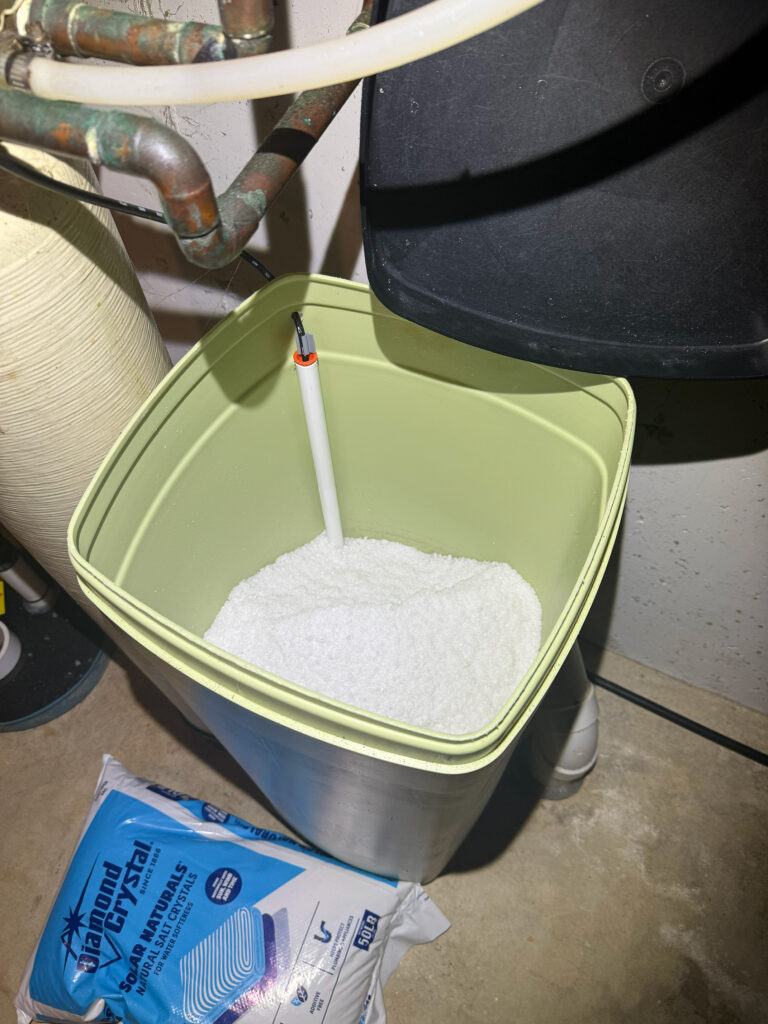
Hard water in Northern Illinois is common, and many homes are equipped with water softening systems to help manage its effects. Buyers should look for the presence of a water softener and ask about its age, maintenance history, and operating condition. Routine maintenance may include adding salt, cleaning components, and servicing the system as needed. In homes without a water softener, buyers may choose to install one to help reduce mineral buildup and improve the performance of plumbing fixtures and appliances.
Why Hard Water Matters to Homebuyers
While hard water in Northern Illinois is a common condition, understanding its effects can help buyers make informed decisions about a property. Mineral buildup may increase maintenance requirements, affect the efficiency of certain appliances, and contribute to wear on plumbing fixtures over time. Knowing whether a home has a functioning water softener and understanding the condition of plumbing components can help buyers better prepare for future maintenance and ownership costs.
Why a Home Inspection Matters
While hard water in Northern Illinois is common, a home inspection can help identify visible signs that it may be affecting a property’s plumbing system, fixtures, or appliances. Mineral deposits, staining, aging water softeners, and other related conditions may be observed during the inspection process. Understanding these conditions before closing can help buyers plan for maintenance and better understand the home’s overall condition. To learn more about the inspection process, read our guide on What to Expect During Your Home Inspection. Homebuyers interested in learning more about what is typically included in an inspection can also review the InterNACHI Standards of Practice.